Best Time for Basement Window Installation
Choosing the optimal time for basement window installations can impact the quality, cost, and scheduling of the project. Weather conditions, temperature, and contractor availability are key factors to consider. Proper timing ensures that the installation process proceeds smoothly and minimizes disruptions.
Spring and fall are generally ideal due to moderate weather conditions, reducing the risk of delays caused by extreme temperatures or precipitation.
Avoid installations during harsh winter or summer months when temperature fluctuations or storms can affect materials and safety.
Off-peak seasons may offer more scheduling options and potentially lower costs due to less demand.
Temperature and humidity levels influence the performance of sealants and adhesives used in window installation.
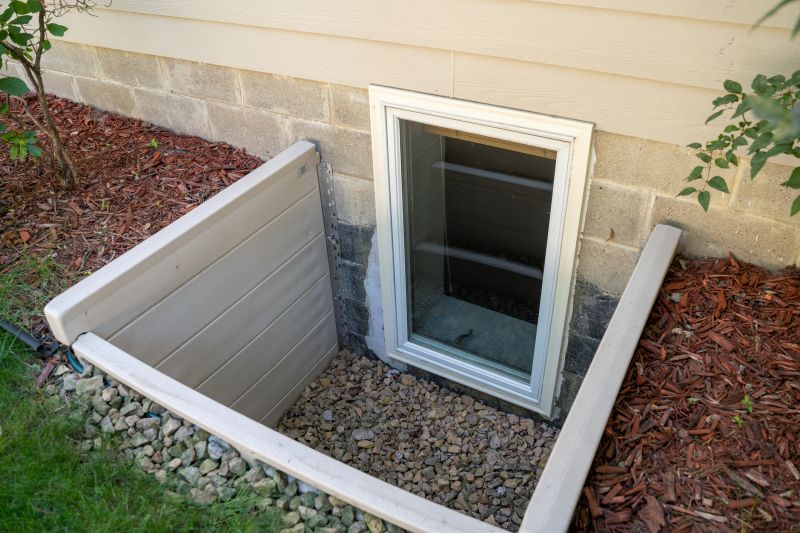
Spring offers mild weather, making it suitable for exterior work like basement window installation.
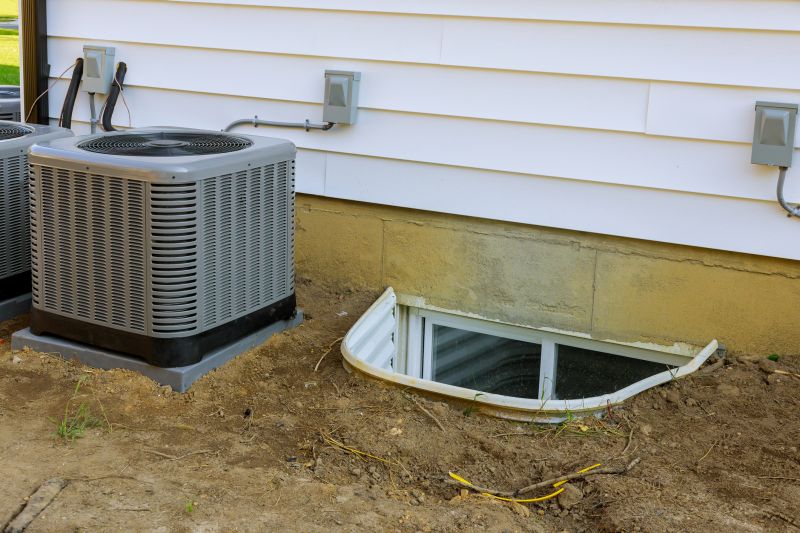
Summer's heat can cause expansion of materials; early or late summer is preferable.
Fall provides cooler temperatures and less precipitation, ideal for installation projects.
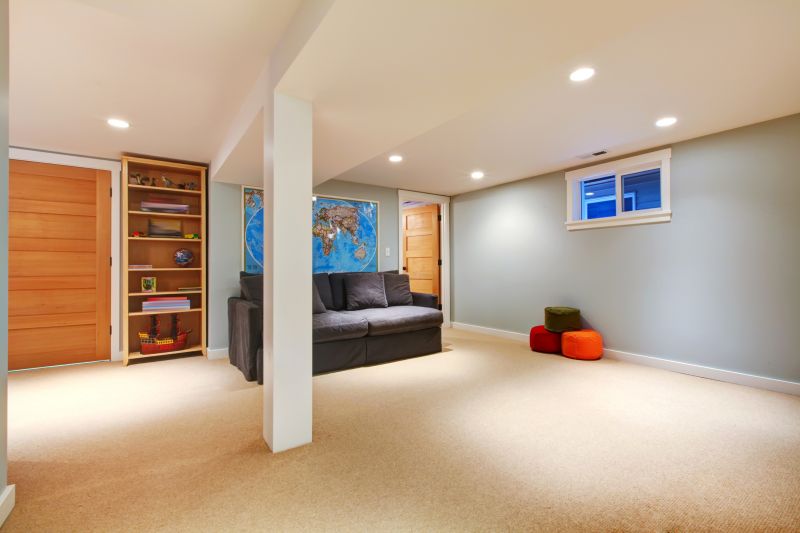
Ways to make Basement Windows Installations work in tight or awkward layouts.
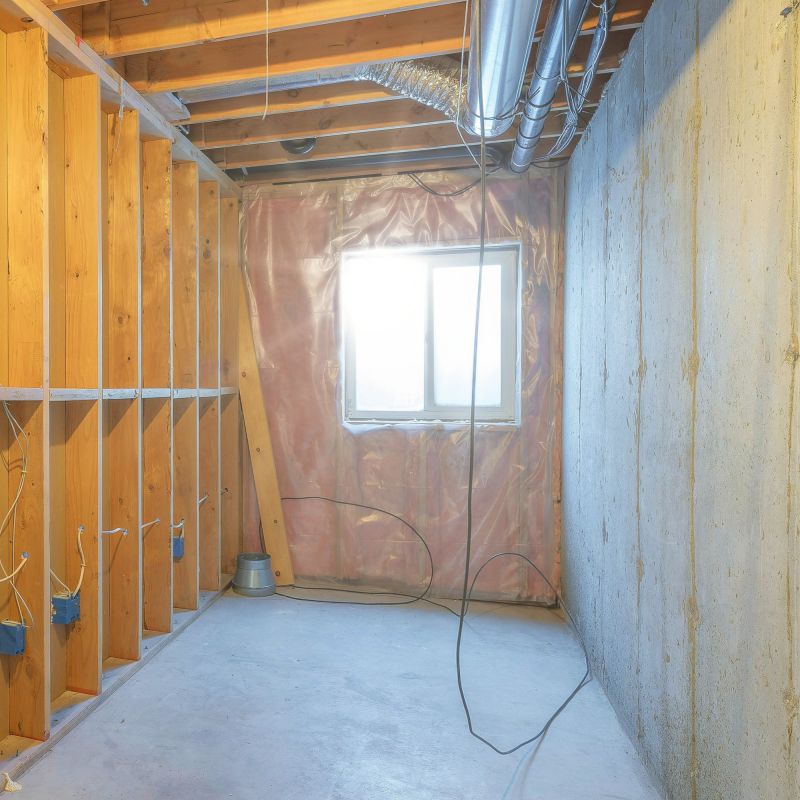
Popular materials for Basement Windows Installations and why they hold up over time.
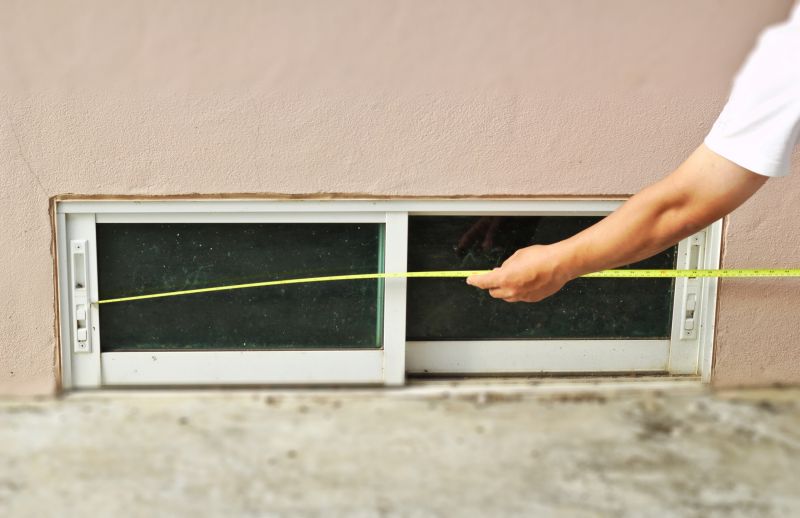
Simple add-ons that improve Basement Windows Installations without blowing the budget.
Basement window installations are a critical aspect of home improvement, providing natural light, ventilation, and emergency egress options. Proper installation ensures energy efficiency, security, and durability. The process involves careful measurement, selection of suitable window types, and precise sealing to prevent water infiltration and drafts. Statistics indicate that well-installed basement windows can improve energy efficiency by reducing heating and cooling costs. Additionally, proper egress windows are essential for safety compliance in many regions.
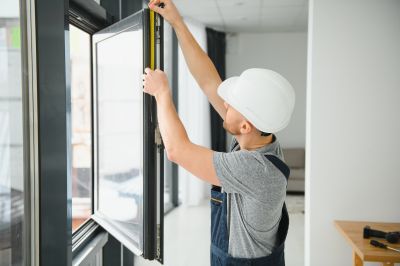
Accurate framing is essential for secure and insulated basement windows.

Proper sealing prevents water leaks and improves energy efficiency.
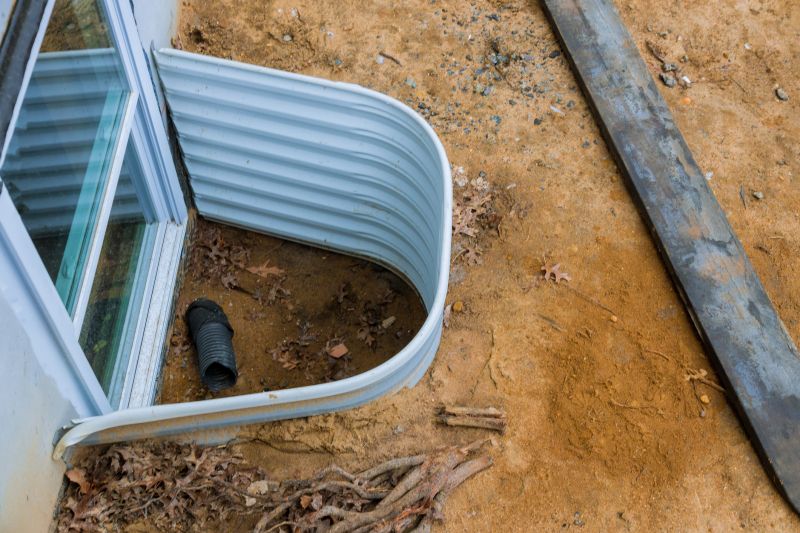
Egress windows must meet specific size and opening requirements for safety.
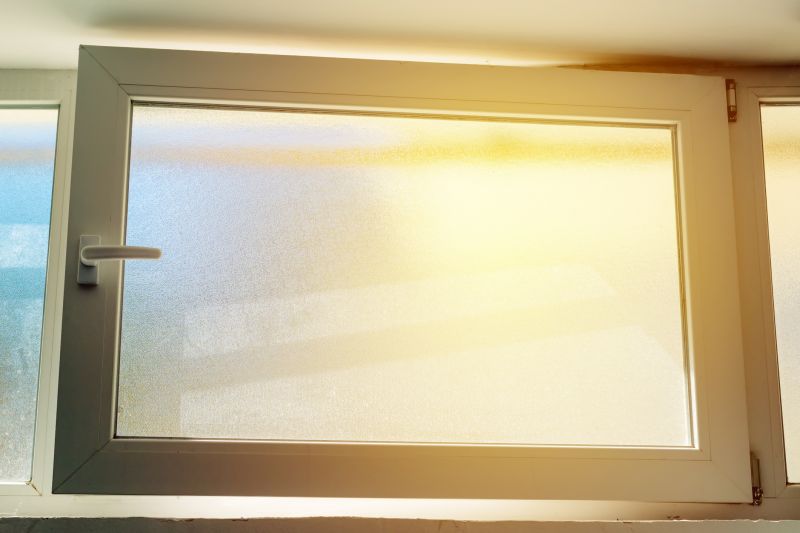
A completed window integrates seamlessly with interior decor and security features.
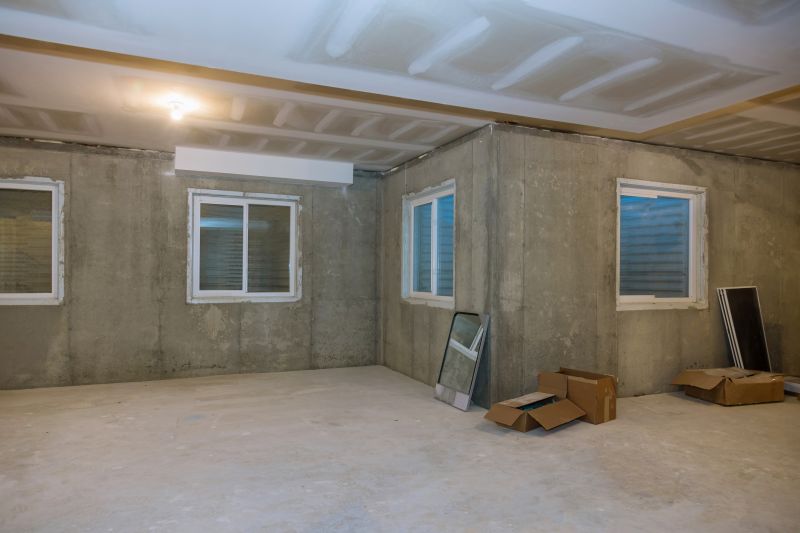
High-end options that actually feel worth it for Basement Windows Installations.
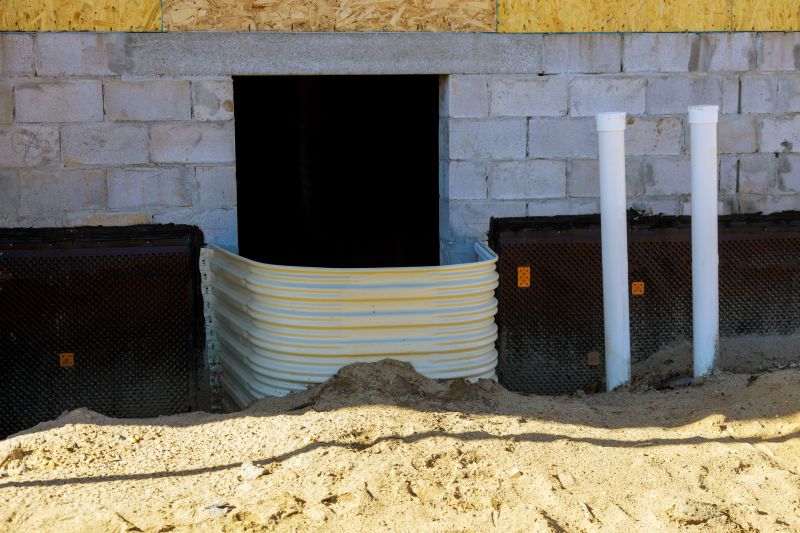
Finishes and colors that play nicely with Basement Windows Installations.
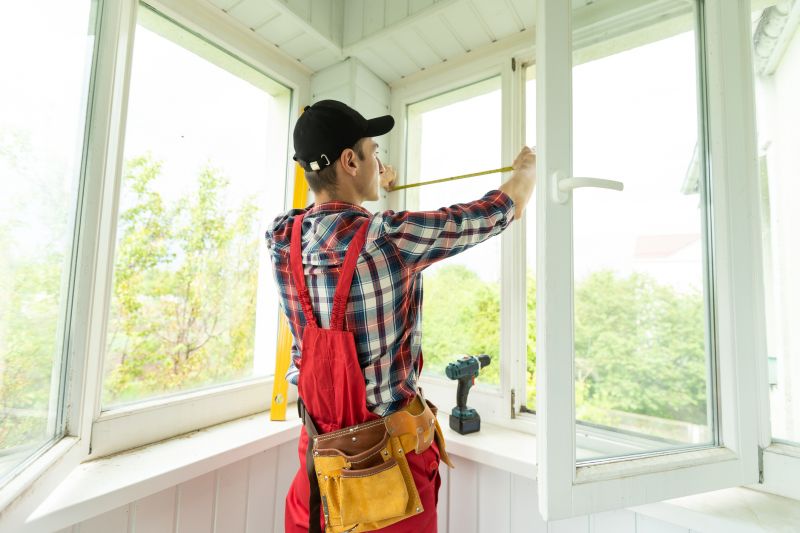
Little measurements that prevent headaches on Basement Windows Installations day.
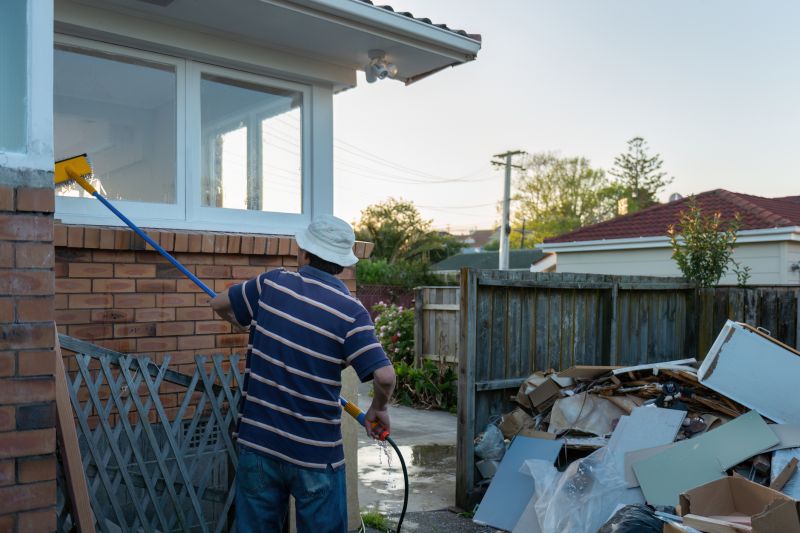
A 60-second routine that keeps Basement Windows Installations looking new.
| Season | Advantages |
|---|---|
| Spring | Moderate weather, ideal for exterior work, less demand for contractors. |
| Summer | Longer daylight hours, early or late summer preferred due to heat. |
| Fall | Cool temperatures, less precipitation, good for scheduling. |
| Winter | Generally not recommended due to cold weather and potential delays. |
| Off-Peak Seasons | Potentially lower costs and more flexible scheduling. |
Understanding the best timing for basement window installations can lead to improved outcomes and cost savings. Proper planning around seasonal weather patterns and contractor availability ensures that the installation process is efficient and effective. Consulting with experienced professionals can help determine the most suitable timeframe based on local climate and project specifics.
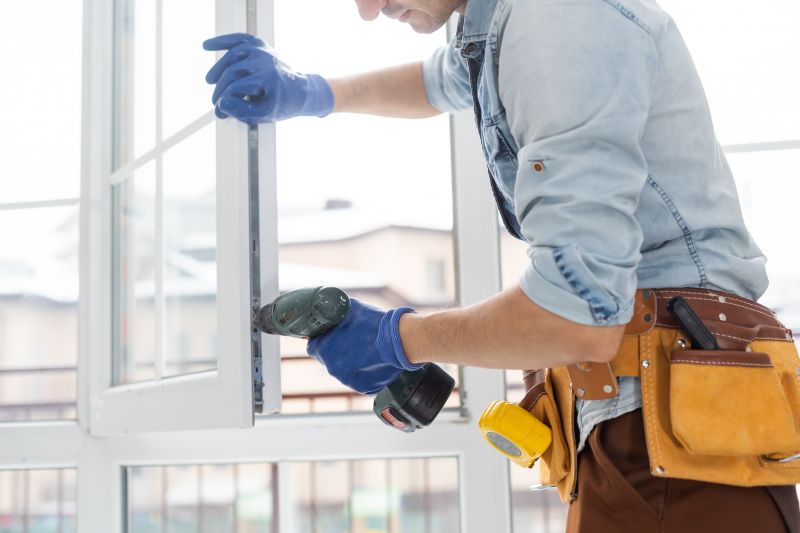
Proper timing ensures smooth installation with minimal disruptions.
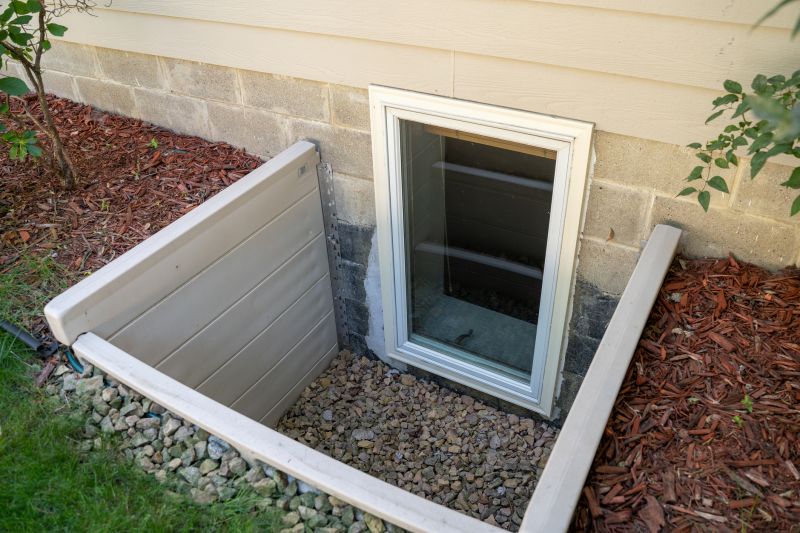
A well-installed window enhances natural light and security.
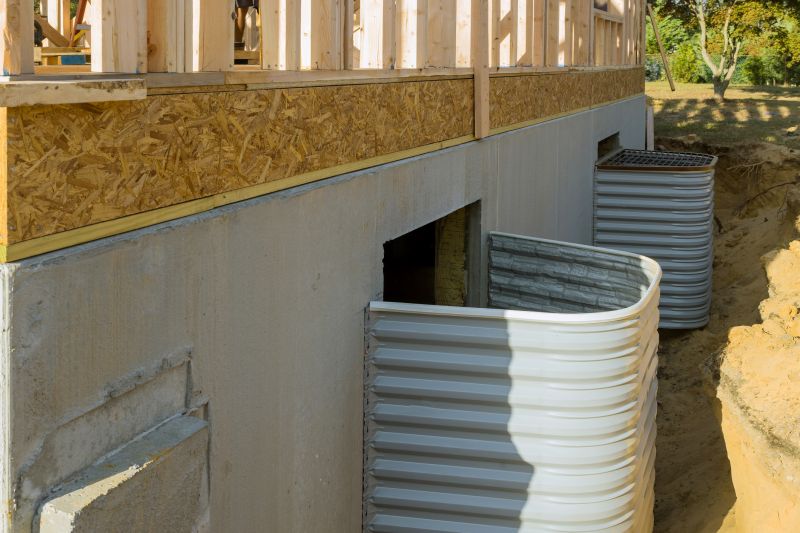
Weather conditions influence installation quality and scheduling.
For those interested in basement window installations, filling out the contact form provides an opportunity to discuss project timelines, options, and scheduling. Proper timing and professional installation contribute to the durability, energy efficiency, and safety of basement windows.